The blogUnscrewing Motherhood: Tools for Emotional Balance in Pregnancy and Beyond

This blog gathers gentle, in-depth articles on birth trauma, pregnancy after loss, tokophobia and perinatal anxiety. You’ll find practical tools from CBT, compassion-focused and trauma-informed approaches, to help you understand what you’re feeling and how to cope day to day.
Start Here: Most-Read Articles on Pregnancy After Loss & Birth Trauma
Explore Articles by Topic
TOKOPHOBIA | PREGNANCY AFTER LOSS | BIRTH TRAUMA | BABY LOSS | EMDR | NICU | all
Too Scared of Needles and Blood to Have a Baby? Why It Happens and How Therapy Helps
You want a baby. Or you're already pregnant. And there's a part nobody seems to understand — because it isn't the birth exactly. It's the needles. The blood tests. The cannula. The thought of it makes your stomach drop and your head go light.
Maybe you've been putting off trying, and you can't explain that the real reason is you don't think you could cope with the blood tests. And when you try to say it, people laugh it off — "oh, I hate needles too" — as if it's the same thing.
It isn't. What you have is a recognised phobia — and it's one of the most treatable fears there is. You don't have to choose between this fear and having a baby. And the way through it is far gentler than you're imagining.

The Birth Debrief Didn't Help. Now What? Why Understanding What Happened Isn't the Same as Healing
You went to the birth debrief hoping it would help. Maybe you'd waited months. Maybe you'd built it up as the thing that would finally let you move on.
And you came out and nothing had shifted. You understood more about what happened, perhaps. But the tight chest is still there. The flashbacks are still there. You still can't walk past the hospital. And now there's a horrible thought creeping in: if the debrief didn't fix it, maybe nothing will.
Here's what I need you to know: you are not the problem. A debrief explains what happened. It was never built to heal what you're carrying. Those are different jobs — and the one you need is very doable.

Why I Dread My Child's Birthday: When the Celebration Brings the Birth Back
The invitations are out. The cake's ordered. Someone asks what you've got planned, and you hear yourself say "just a little party" in a bright voice that isn't yours.
Underneath, there's a weight that's been building for weeks. Because how do you tell anyone you're dreading your own child's birthday? You love them. That's not it. But their birthday isn't only their birthday. It's the anniversary of the day you thought you might die, or nobody listened, or your body stopped being yours. Everyone's looking at the balloons. You're back in that room.
Here's what I need you to know: this doesn't mean you don't love your child. It means your birth was traumatic, and a birthday brings it back. That's treatable — and the day can become theirs again.

The Two-Week Wait When You're Scared of Birth: Relieved by Your Period, Then Dreading Trying Again
Your period arrives. And before the disappointment lands, there's something else: relief. A quiet exhale. Not this month. You don't have to face it yet.

And then the guilt. Because you want this baby — you've wanted it for years. So what's wrong with you that part of you is relieved not to be pregnant?

Here's what I need you to know: the relief isn't a sign you don't want a baby. It's a sign you're frightened. Those are completely different things — and the cycle they create can trap you for years. But it can be broken.
Want a Baby but Terrified of Pregnancy and Birth? You're Not Broken
You want a baby. You can picture the whole life. And then your mind goes to the part in the middle — being pregnant, giving birth — and something in you slams shut.

Not nervousness. A cold, physical dread that makes the idea of it feel unbearable. So you're stuck: wanting to be a mother more than almost anything, and unable to make yourself take the step that would get you there.

Here's what I need you to know: this isn't you not wanting it enough. It's primary tokophobia — a real, recognised fear of childbirth in someone who's never given birth. You're not broken. You're frightened. And frightened is workable — often before you're even pregnant.
NICU Trauma: When Your Baby Is Safe but You're Not
Everyone keeps telling you how lucky you are. He made it. She's home. The tubes are gone. You should be relieved.
But you can't stop seeing the alarms. The wires. The night they called you in. Your heart races when you drive past the hospital. You check your baby is breathing far more than you know is reasonable. And underneath it all is the guilt — because your baby survived, so what right do you have to feel like this?
Here's what I need you to know: your baby being okay does not mean you are okay. Gratitude and trauma are not opposites — you can feel both at once. What you're carrying is NICU trauma, and it's real, recognised, and treatable.
Too Scared to Try for Another Baby After Miscarriage: When Fear Stops You Trying Again
You want another baby. You can feel how much you want it. And you still can't make yourself try.
Maybe you've been "trying" for months but keep finding reasons. Maybe your partner is ready and you're not, and the gap between you is starting to hurt. Maybe you suspect you're sabotaging it on purpose and don't know how to stop.
Here's what I need you to know: this isn't a failure of desire. It's a trauma response — your body protecting you from going through the worst thing again. And it can be worked with. You don't have to wait until you feel ready to reach out. For a lot of women, reaching out is what allows ready to finally arrive.
Should I Request a C-Section After Traumatic Birth? What Therapists and NICE Guidelines Actually Say
You're pregnant again. The bump is growing. Everyone keeps asking about your birth plan — and every time they do, your stomach drops.
If you've been lying awake googling "should I ask for a C-section" while everyone else is asleep, this article is for you. Not to tell you what the right answer is — but to help you understand what's actually driving the question, what you're genuinely entitled to ask for on the NHS, and what would help you make a decision from choice rather than just fear.
EMDR for Birth Trauma: Does It Actually Work?
You're pregnant again. You're managing on the outside — meetings, nursery runs, holding it together. But the moment someone asks about your birth plan, your heart pounds. You deflect. You smile. You change the subject.If your first birth left you terrified and you're now carrying that fear into a new pregnancy — EMDR therapy might be what finally shifts things. Not by asking you to relive every detail. Not by reframing what happened as positive. By helping your brain finally file the memory as something that happened — rather than something still happening.This article explains how.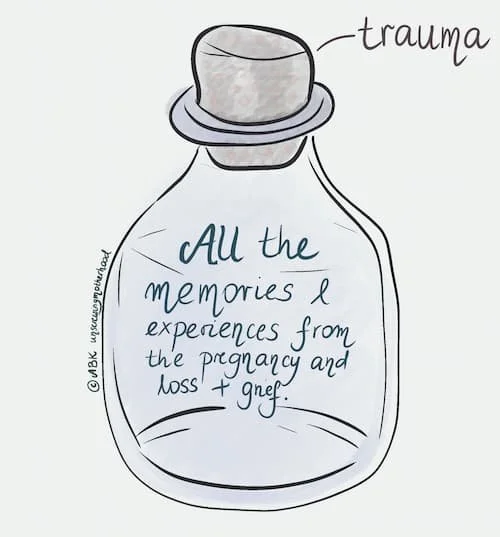
Why Time Isn't Healing Your Baby Loss - And What Actually Can?
EMDR therapy processes trauma that blocks grief after baby loss. Learn how this evidence-based approach helps with miscarriage, stillbirth, and TFMR.
3 Ways to Cope With Fear of Giving Birth After a Traumatic First Birth
Three evidence-based ways to cope with fear of giving birth after traumatic birth: focus on the facts of your current pregnancy, use a rings of control exercise to separate what you can and can't influence, and identify specifically what your fear is connected to. If the fear is constant, overwhelming, or connected to flashbacks from your previous birth, trauma-focused therapy is likely what you need.
Hypnobirthing Didn't Fix My Fear of Giving Birth. Here's Why - And What Actually Helps.
Done hypnobirthing but still scared of birth after trauma? You're not failing. Discover why relaxation isn't enough for trauma and what actually helps.

Panic Attacks During Pregnancy: Why They Happen & What Helps
Having panic attacks every day whilst pregnant? You're not broken. Nearly 1 in 5 pregnant women experience severe anxiety—and it's treatable. Here's what actually helps.

Can't Bond With Baby After Traumatic Birth? What's Actually Happening
Struggling to bond with your baby after traumatic birth? Discover why this happens, how PTSD affects bonding, and evidence-based therapy that helps. Free consultation available.

Still Having Flashbacks from Your Birth? Why Birth Trauma Doesn't Just Fade
You're not "stuck in the past." If you're still experiencing vivid flashbacks from your birth - whether it was weeks, months, or even years ago- this isn't a sign of weakness or failure. Birth trauma flashbacks are your brain's way of signaling that a deeply distressing memory hasn't been fully processed. In this article, you'll understand why these flashbacks persist, what's happening in your brain, and most importantly, what actually helps.
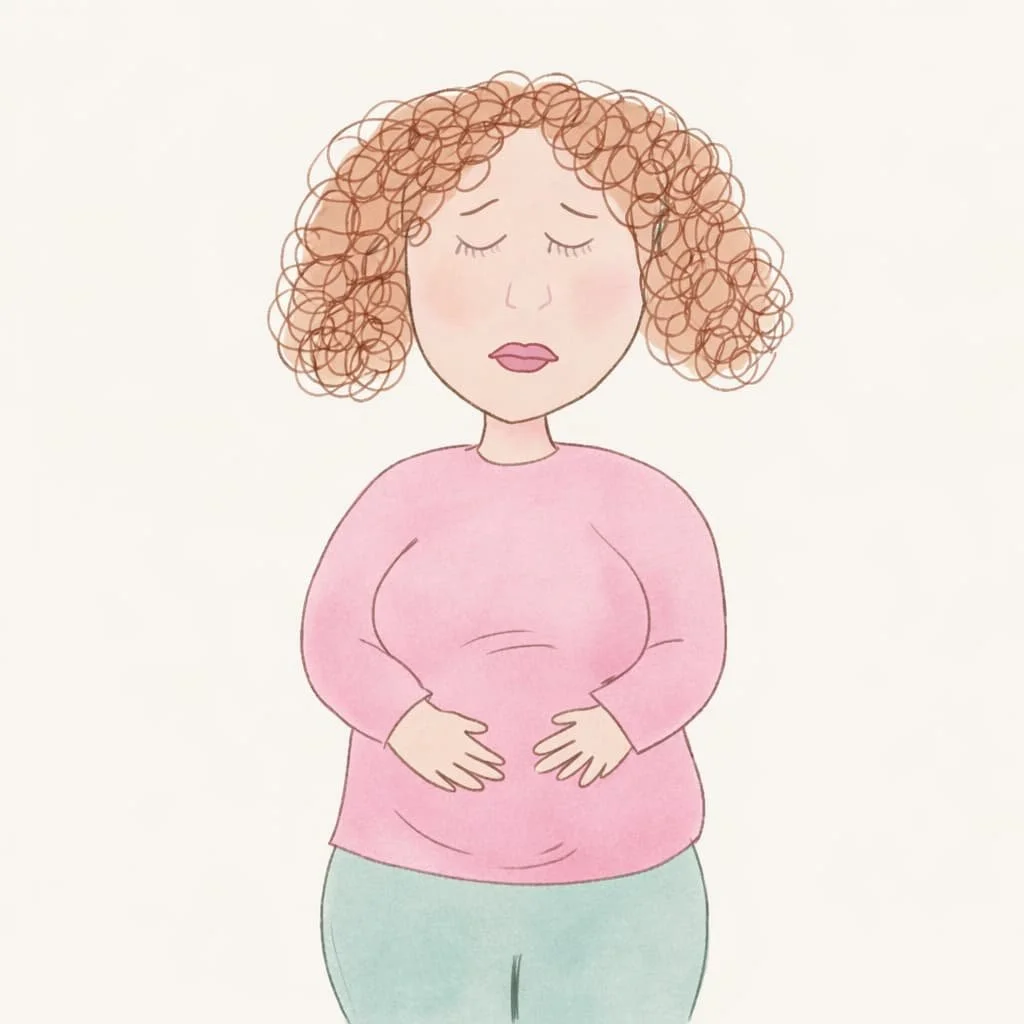
Too Terrified to Give Birth Second Time? Understanding Secondary Tokophobia After Traumatic Birth
Pregnant after traumatic birth? Secondary tokophobia affects 14% of mothers. Learn how trauma-focused therapy can help you prepare for birth with confidence, not fear.

When You're Pregnant After Loss But Too Terrified to Feel Joy: Surviving the Holidays When Everyone Expects Celebration
Can't announce your pregnancy after miscarriage? Struggling with family's excitement when you feel terror? Practical strategies for pregnancy after loss anxiety this Christmas.

What is Birth Trauma? Causes, Symptoms, and How to Heal
Birth trauma isn’t just about medical emergencies. It can come from not being listened to, feeling powerless, or losing control. Learn what it is, why it happens, and how healing is possible.

Pregnancy After Miscarriage Anxiety: You're Not Overreacting
Pregnancy after miscarriage can feel like walking a tightrope between hope and fear. Learn why anxiety shows up, why it’s so strong in early weeks, and gentle trauma-aware ways to cope.