


CBT & EMDR Therapy for Pregnancy After Miscarriage, TFMR & Stillbirth
Stop Checking for Blood Every Time You Go to the Toilet.
Stop Holding Your Breath Through Every Scan.
Start Believing This Baby Might Actually Make It.
You tested positive. But instead of joy, you felt terror.
Does This Sound Like You?

𑁍 Are you checking for blood every single time you go to the toilet? 𑁍
𑁍 Are you holding your breath through every scan, waiting for them to tell you there's no heartbeat? 𑁍
𑁍 Does every twinge or cramp send you into panic that you're losing this baby too? 𑁍
𑁍 Are you approaching the week you lost your last baby and terrified you won't make it past? 𑁍
𑁍 Can't you let yourself bond with this baby in case you lose them too? 𑁍
𑁍 Haven't you bought a single thing for the baby because it feels like tempting fate? 𑁍
𑁍 Are you trying to conceive (TTC) but part of you feels relieved when your period comes because you don't have to face pregnancy yet? 𑁍
𑁍 Do you feel guilty for being pregnant again, like you're replacing the baby you lost? 𑁍
If you answered YES to any of these, you're not alone. And you're not overreacting.
This is Pregnancy After Loss … and support is available.
Why You Need a Therapist Who Understands BOTH Pregnancy And Trauma?
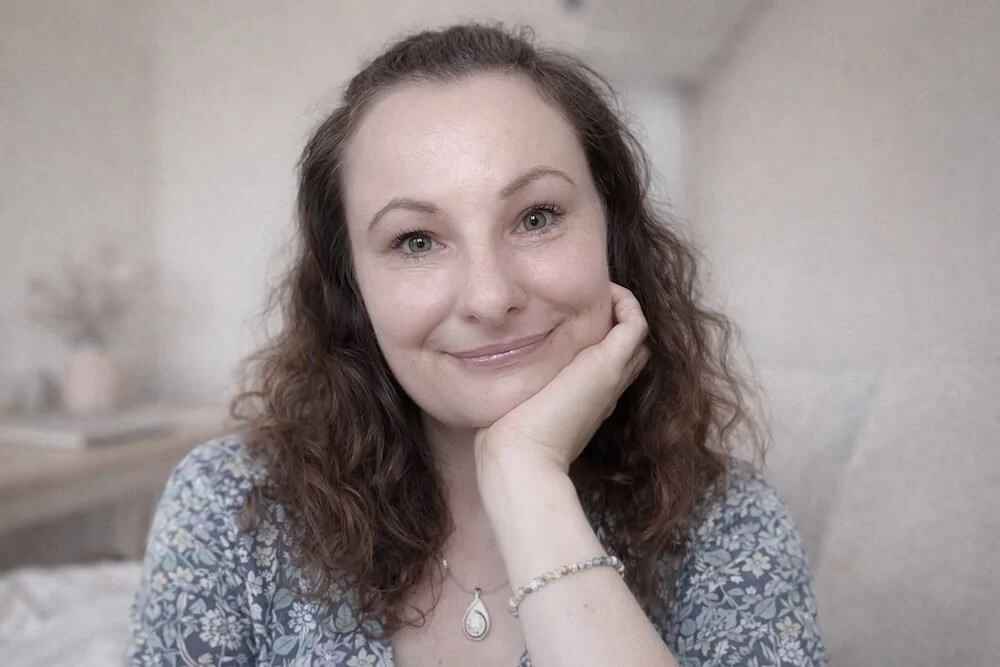
Hi, I am Aleksandra!
✿ I'm a specialist perinatal mental health therapist. I help women navigate pregnancy after loss - whether you're currently pregnant and terrified or trying to conceive but can't imagine facing pregnancy again.
✿ I've spent over a decade in NHS mental health, walking alongside hundreds of women through pregnancy after miscarriage, TFMR, and stillbirth. I'm trained in EMDR and Trauma-Focused CBT.
✿ I currently work in the NHS alongside my private practice, so I understand UK maternity care — how to access additional scans, advocate for yourself, what support is available.
Here's what I've learned:
✿ Your fear isn't irrational. Your baby DID die. This fear is based on reality.
✿ Whether you lost your baby at 5 weeks or 38 weeks. Whether it was one loss or multiple losses. Whether it was months ago or years ago.
✿ Your brain learned: pregnancy doesn't mean baby. Nothing is certain. Your body can't be trusted.
✿ And now you're pregnant again (or thinking about trying), and your nervous system is screaming: "This is going to happen again."
This is trauma. And trauma can be healed.
My approach focuses on
three things:
✿ Understanding what you're experiencing now (the terror that is taking over your pregnancy)
✿ Uncovering where this fear came from (the loss that taught your brain pregnancy = danger)
✿ Helping you move toward the future you want (believing this baby will make it, bonding without holding back)
Where Does This Fear Come From?
The fear doesn't come from nowhere. You had a loss. And that loss taught your nervous system: "Pregnancy is dangerous. Babies die."
Maybe… you had an early miscarriage:
You started bleeding. They did a scan. No heartbeat.
Or you had a missed miscarriage - your baby had died weeks ago but your body didn't realise.
Or you were in agony, passing clots, alone in the bathroom.
And they told you "it's just a miscarriage" and to "try again in 3 months" like your baby didn't matter.
Maybe… you had a late miscarriage:
You lost your baby at 18 weeks. You had to give birth knowing they were already gone.
Or you went for your 20-week scan excited. They told you your baby had no heartbeat.
Or you felt your baby move for the first time. A week later they were gone.
Maybe… you had a TFMR:
You found out at your scan that your baby had a fatal condition. You had to make the worst decision of your lives.
You wanted this baby desperately. But you couldn't let them suffer.
People don't understand - you didn't "choose" to end your pregnancy. You chose to end your baby's suffering.
Maybe… you had a stillbirth:
You went to your appointment. They couldn't find a heartbeat. You gave birth to your baby knowing they were already dead.
Or you felt your baby moving one day. The next day, nothing. You knew. You just knew.
You were supposed to bring your baby home. Instead you planned a funeral.
Maybe… you had multiple losses:
This is your 3rd pregnancy. You've lost 2 babies. You don't trust your body anymore.
Every time you get pregnant you know it's going to end in loss. Why would this time be different?
Here's what your brain learned:
"My body can't be trusted. Pregnancy doesn't mean baby. Positive scans don't guarantee anything. I can do everything right and still lose my baby."
And now you're pregnant again (or thinking about trying), and your brain is trying to protect you from going through that again.
That's where trauma-focused therapy comes in.
What You Want and What is Possible
Therapy isn't about making you “think positive” or “stop worrying”.
It's about processing the trauma so you can navigate this pregnancy (or trying to conceive) with tools, not just white-knuckle through it.
Right now:
If you're currently pregnant:
Checking for blood every time you go to toilet
Holding breath through every scan
Every twinge = panic that you're losing this baby
Baby hasn't moved in 1 hour = panic attack
Can't let yourself bond in case you lose them
Haven't bought anything - feels like tempting fate
Approaching the week you lost last baby = terror
If you're trying to conceive:
Part of you relieved when period comes
Tracking but terrified when positive
Comparing every symptom to last time
Want to hope but too scared

What shifts with therapy:
𑁍 You stop checking for blood obsessively. You still might check, but it's not consuming your every bathroom visit.
𑁍 You go to scans and the relief lasts more than 5 minutes. You can breathe. You can believe the good news, at least for a bit.
𑁍 You feel baby move and feel connection, not just "at least they're alive for now." You can imagine meeting your baby, not just surviving pregnancy.
𑁍 You can tell people you're pregnant without immediately saying "but anything can happen."
𑁍 You can buy baby clothes, prepare the nursery, imagine bringing your baby home.
𑁍 You can make it past the week you lost your last baby without falling apart. You acknowledge it. You honor your baby who died. But you don't spiral.
𑁍 If you're trying to conceive, you can hope for a positive test instead of feeling relieved when it's negative.
𑁍 You can bond with this baby without feeling like you're betraying the baby you lost.
𑁍 You trust your body again. Not blindly. But enough.
How We Work Together
Pregnancy After Loss therapy focuses on
three things:
𑁍 Processing the loss trauma that taught your brain pregnancy = danger
𑁍 Managing the present anxiety taking over this pregnancy (or trying to conceive)
𑁍 Preparing for the future in a way that feels hopeful, not terrifying
What we work on:
Processing the loss with EMDR
EMDR helps your brain process the trauma of losing your baby. The scan where they told you there was no heartbeat. Giving birth knowing your baby had died. The physical pain. The grief.
EMDR helps your nervous system understand: "That was then. This is now. This pregnancy can be different."
You won't relive every detail. EMDR processes trauma without re-traumatising you.
Working with triggers and catastrophic thoughts
We work on the thoughts that feel certain: "This baby will die too," "My body will fail again," "Something's wrong."
Not by showing you statistics (you know the statistics). But by helping your nervous system feel safer. By building tolerance for uncertainty. By processing the triggers (scans, movements, milestones).
We use CBT, coping statements, grounding, breathing - tools you can use when panic hits.
Moving Towards HOPE and preparing for what’s AHEAD
Your brain is stuck imagining disaster. Every scan = bad news. Every movement = "at least they're alive for now."
We work on helping your brain practice imagining this pregnancy being different. Going to a scan and getting good news. Feeling baby move and feeling joy. Bringing your baby home.
Not because you have to "think positive." But because your brain needs to know that hope is possible. Even if it feels terrifying.
We also work on rehearsing how you'll cope with the hard moments. Walking into the hospital for a scan. Reaching the week you lost your last baby. Buying baby clothes even though it feels like tempting fate. Telling people you're pregnant.
Your brain practices these moments in therapy so when they happen in real life, you have tools ready. You've already been there in your mind.
Preparing for specific challenges:
Milestone anxiety - approaching the week you lost your last baby
Scans - walking into the hospital, waiting for results
Movements - baby having a quiet hour without full panic
Guilt - loving this baby without betraying the baby you lost
Symptoms or lack of symptoms - both triggering panic
Practical details:
How long: Typically 12–20 sessions, though this varies depending on your history and how many losses you have experienced. We review regularly so you always know where we are.
Format: 50 minutes, online (UK & EU), weekly or fortnightly. Some EMDR processing sessions run to 90 minutes where we agree this is clinically right — charged at £185, always planned in advance, never a surprise.
Cost: £130. If cost is a barrier, I hold a small number of reduced-fee spaces (£85 per session). Please reach out to discuss options.
You don't need to be pregnant to begin. Many women process loss trauma before trying to conceive. Many start therapy while trying. Some start once pregnant. All are valid.
You're always in control. We go at your pace.
Q&AYour Questions About Pregnancy After Loss, Answered
-
No. Whether you're 6 weeks or 36 weeks, therapy helps. Some women notice shifts within a few sessions.
-
No. Processing your loss trauma NOW helps you navigate THIS pregnancy. Many women find that working through the loss helps them bond with this baby and prepare for birth.
You don't have to wait.
-
No. Trauma therapy is designed to process trauma without re-traumatising you. We build your capacity to manage anxiety BEFORE we process the loss.
We go at your pace. You're in control.
-
This is one of the hardest milestones. In therapy, we prepare for it. We process the anniversary. We honor your baby who died. We build tools so you can acknowledge it without spiraling.
-
This is incredibly common. You're protecting yourself in case you lose them.
Therapy helps you process the loss trauma so you can let yourself bond. Slowly. At your pace.
-
No. Pregnancy after loss isn't "pregnancy with anxiety." It's a completely different experience.
You don't have to be excited. You don't have to be grateful. You're allowed to be terrified.
Safe, non-judgemental space.
-
Yes. Many women work through loss trauma before getting pregnant. We process the loss. We build tools for managing anxiety. We prepare for pregnancy triggers.
When you do get pregnant, you'll have tools ready.
-
Multiple losses shatter trust in your body completely. Therapy adapts for this.
We process each loss (if needed). We work with the belief "why would this time be different?" We build tolerance for uncertainty when nothing feels certain.
-
Yes. Works alongside medication, NHS perinatal support, pregnancy loss charities (Tommy's, Sands), bereavement counseling.
I'll collaborate with anyone supporting you.
-
I hold a few spaces each year for reduced-cost therapy (£85 per session) for those experiencing financial hardship. Please get in touch to enquire about availability.
Haven’t found what you’re looking for?


let's get startedReady to Navigate this Pregnancy without Constant Terror?
You don't have to keep checking for blood obsessively.
You don't have to hold your breath for 9 months.
You don't have to face this pregnancy alone.
I work with limited clients (2-3 openings monthly) so each gets specialist attention.
Ready to work through the loss trauma so you can believe this baby will make it? Let's talk.
Free, no-pressure. We'll talk through what you're experiencing and I'll explain how I can help.
You don't have to do this alone.
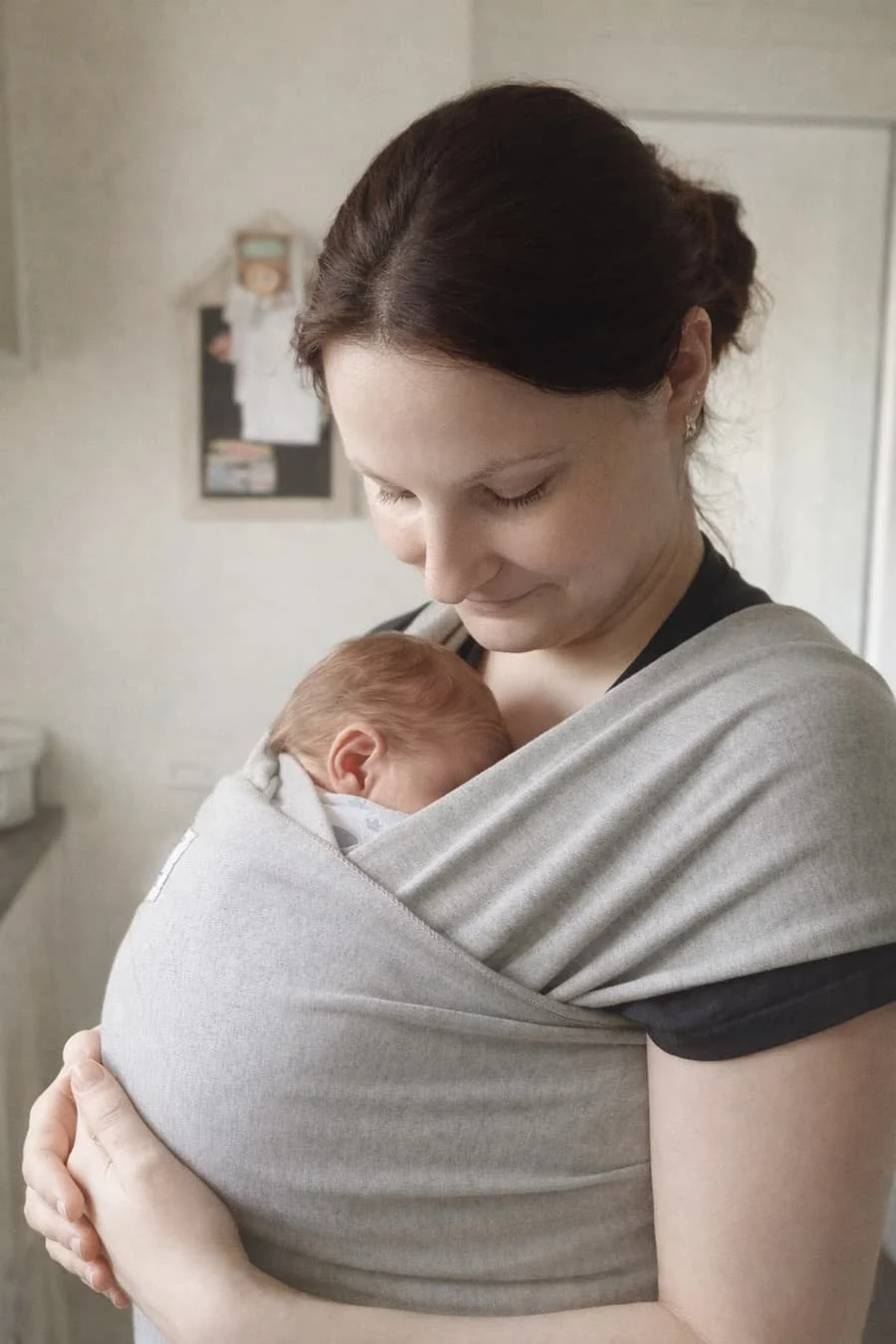
Whether you lost your baby at 8 weeks or 38 weeks. Whether it was one loss or multiple. Whether you're currently pregnant or trying to conceive.
Support is available. And it works.
Aleksandra Balazy-Knas
BABCP-Accredited CBT Therapist | Clinical Supervisor | EMDR Therapist
Specialising in tokophobia, birth trauma, pregnancy after loss
Online therapy UK & EU | Leicestershire
Related: Birth Trauma | Tokophobia Therapy | Postnatal Anxiety
Read more about me and my approach HERE.
What My Clients Say
"The process was as smooth as can be, and from our first chat, where I unloaded all my burdens, my fears, where Aleksandra understood all that I had gone through, I felt a ray of hope that perhaps I could one day enjoy the pregnancy that was passing too quickly for me."
- Anonymous client, Pregnancy After Loss Therapy