Why I Dread My Child's Birthday: When the Celebration Brings the Birth Back
If your child's birthday fills you with dread instead of joy — because it drags you back to a traumatic birth while everyone else is celebrating — you're not ungrateful and you're not broken. A birthday is an anniversary of the birth as much as the baby. For women who were traumatised by that birth, it can bring the whole thing flooding back. This article explains why it happens, why it can catch you off guard, and what actually helps.
⏱️ Read time: 7 minutes — or jump to what you need most:
The day nobody knows you're dreading
The invitations are out. The cake's ordered. Someone at the school gate asks what you've got planned, and you hear yourself say "ooh, just a little party, nothing mad" in a bright voice that isn't yours.
Underneath it, there's a weight in your chest. It's been building for weeks. And you can't tell a soul. Because how do you say the words "I'm dreading my own child's birthday" out loud?
You love them. That's not it. You'd walk through fire for them. But the closer the day gets, the tighter something winds in you. You're not sleeping. You're snapping at your partner over nothing. You're crying in the car. Or you've just gone flat — here, but not really here. You're filling the party bags and your hands do the job while the rest of you is miles away.
You catch yourself counting down to the day. Not the way you're meant to. The way you count down to something you just have to get through.
Because it isn't only their birthday, is it. It's the anniversary. The day you thought you were going to die. The day it all went wrong. The day nobody listened. The day your body stopped being yours and there was nothing you could do. Everyone else is looking at the cake and the balloons and your growing, thriving child. And you're back in that room.
Some women say they hate their child's birthday, and then feel sick with themselves for even thinking it. If that's you, here's the first thing I want to say. It doesn't mean you don't love your child. It doesn't mean there's something wrong with you as a mum. It means your birth was traumatic, and a birthday brings it back. That's a real thing. It has a name. And it can be worked with.

Why a birthday brings the birth back
You might be wondering why this day, of all days, does it to you. Here's the short version. It takes some of the shame out.
When something terrifying happens, your mind and body don't just keep the event. They keep the when. The date. The time of year. The light, the weather, the run-up to it. Then every year, when those things come round again, your body reacts like the danger's coming back — even though nothing's actually wrong. People call it a trauma anniversary. It's very common. It's not you being dramatic.
Think of it like a smoke alarm that learned the wrong lesson. It went off during a real fire once. Now it shrieks every time the calendar hits that date, whether there's smoke or not. The alarm isn't broken. It's doing exactly what fear taught it to do.
A birthday is about the loudest version of this there is. It's not a reminder that sneaks up on you. It's the exact day. Marked on purpose. In detail. Every single year. With you right in the middle of it. You're not just being reminded of the worst day of your life. You're buying the candles for it.
Then there's the bit that makes birthdays their own special kind of hard. Everyone else is happy. To them it's the loveliest day — your child, another year, cause for celebration. So your dread has nowhere to go. You can't fall apart at a party that's meant to be joyful. So you swallow it. You perform. You smile and hand round the sausage rolls, and it takes everything you've got. That gap — between the face you're wearing and what's going on underneath — wears you out in a way nobody around you can see.
Why it can blindside you
Here's the part that really throws women. It can hit you out of nowhere. Even years in.
Maybe you were doing okay. The early days were survival, but you got through them. You got on with it. You raised your child. Then a birthday comes — the first, the third, the fifth — and suddenly you're drowning. Weepy for no reason for weeks before. Wired and exhausted at the same time. Biting your partner's head off. And you can't work out why, because you honestly thought you were past all this.
Sometimes you don't even join the dots. You just notice you feel awful around the same time every year. Low. Anxious. On edge. Not yourself. And it's only later — maybe much later — that you realise it lands right on the birthday. Your body kept the date, even when your head wasn't marking it.
If that's happening, please don't read it as a sign you're going backwards. It's not. That's just how trauma that hasn't been dealt with works. It doesn't fade quietly in the background. It waits for the reminder. And there's no bigger reminder than the anniversary.
The guilt that makes it worse
The dread on its own would be hard enough. What really piles the weight on is the guilt sitting on top of it.
What kind of mother dreads her own child's birthday? They deserve a mum who's happy on their day. I'm ruining it. What is wrong with me.
So you say nothing. You don't tell your partner the real reason you've been off all week. You don't tell your friends why you're wound so tight. And you definitely don't tell anyone that a part of you wishes you could skip the whole thing. So you carry it alone — which somehow makes it press down even harder.
Let me be really clear with you. Dreading the birthday is not a failure of love. It's a trauma response to the anniversary of something frightening. The two live side by side. You can love your child with your whole heart and find their birthday agonising. In fact it's agonising because the day their life started is the same day yours got turned inside out. Their birthday and your worst day share a square on the calendar. That's not a flaw in you. That's a genuinely hard thing to hold. Most people never have to hold anything like it.
And your child? They're not harmed by this being hard for you. What they feel is the love and the care — and you're giving them that in spades. Struggling with the date on the quiet doesn't take one bit of that away from them.
Why it doesn't always get easier
A lot of women expect it to wear off. That each year it'll bother you a little less, until one day it's just a birthday. For some, yes, it softens. But for plenty it doesn't. And I don't want you feeling like you've failed when the fifth one hits as hard as the first.
Here's the thing time doesn't tell you. On its own, it doesn't actually deal with trauma. If the memory of the birth is still sitting there raw and unsorted, then every anniversary lands on the same open wound. The date comes. The alarm goes off. And because nothing underneath has changed, you're straight back in it. For some women it gets worse for a while, because the dread of all the previous birthdays piles onto the next one.
Time is often sold as a healer. But time doesn't clean a wound. It just decides whether the wound is left open or properly treated. Left open, it stings every time the date presses on it.
And this is the bit that matters. It was never really about the birthday. It's about the birth. The birthday is just the thing that keeps pressing on it. So gritting your teeth and hoping next year is better won't shift it. Dealing with the birth itself will. Sort out what's underneath, and when the date rolls round, there's no raw wound left for it to land on.
What actually helps
The good news is this responds really well to the right kind of therapy. Because it goes after the root — the unprocessed birth — instead of just white-knuckling the dread every year.
EMDR is often especially good for this. Here's why, in plain terms. The birthday reaction happens because the birth memory is still "live." It's stored in a way that lets the date switch it back on, like it's happening now. As a qualified EMDR therapist, I use it to help your brain file that memory away into the past, where it belongs. You'll still remember the birth. But once it's dealt with, the calendar can't drag you back into it. Women who've done this work often tell me a birthday came round and they realised, halfway through the party, that the dread just wasn't there this time. That they were actually in it with their child, instead of surviving it.
Trauma-focused CBT works alongside that on everything the trauma has left behind. The guilt. The "I'm failing them." The anxiety that ramps up for weeks before the day. It helps you make sense of why you react the way you do, and takes the edge off the build-up.
Both are recommended by NICE as first-line treatments for trauma.
While you're doing the deeper work, there are gentler things that help you get through a particular birthday. Line up some support around the date. Tell one person you trust what the day really is for you, so you're not performing it alone. Let yourself find it hard, instead of fighting that too. And if a big party is more than you can face this year, keep it small. There's no rule that says it has to be a production. None of that fixes the trauma. But it can make one birthday more survivable while you sort out the thing underneath.
One last thing to hold onto, because it's genuinely hopeful. Because this is tied to one specific, nameable event, it's often very treatable. It's not some vague, endless problem. It's a memory attached to a date. Deal with the memory, and the date loses its grip. A lot of women who once dreaded their child's birthday get to a place where they properly, genuinely enjoy it.
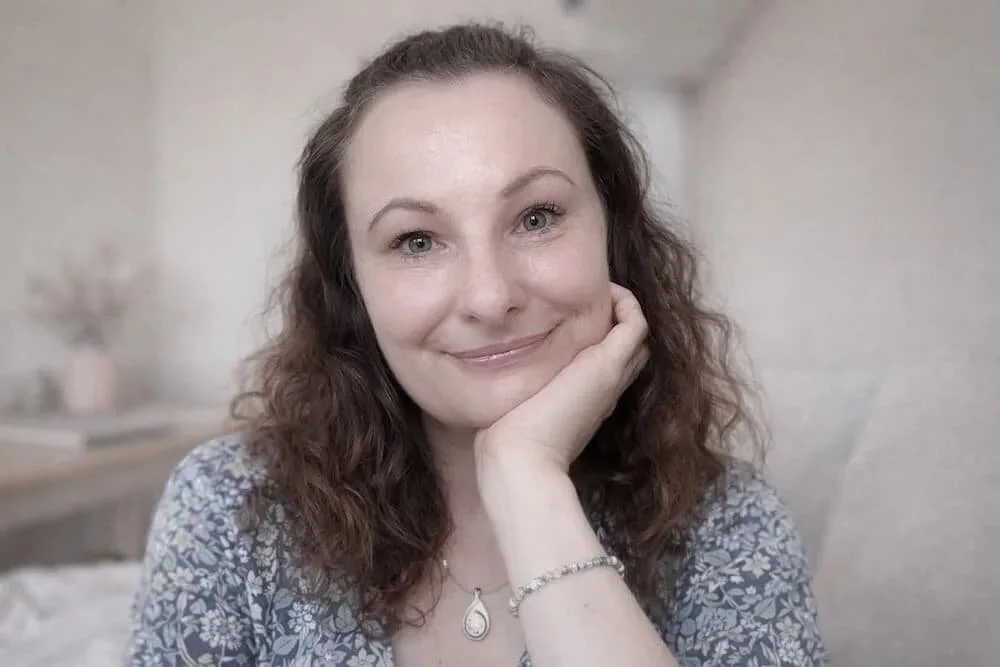
Hi, I’m Aleksandra!
I'm a BABCP-accredited CBT therapist, qualified EMDR therapist, and registered mental health nurse with over ten years of NHS experience, specialising in birth trauma, tokophobia, and pregnancy after loss.
I work with women across the UK, EU and internationally — including mums who quietly dread a day everyone else expects them to love, and have never once said why out loud. You don't have to keep carrying that on your own.
Their birthday can feel like theirs again.
Right now their birthday might be something you brace for. A day that belongs more to the trauma than to them. It doesn't have to stay like that. When the birth itself is dealt with, the date stops pulling you back — and the day can become what it's meant to be. Theirs. And yours to actually enjoy with them.
If any of this has felt like reading your own thoughts — the weeks of dread, the smiling through it, the guilt you've never said out loud — reach out.
You can book a free 20-minute conversation— a real conversation about what's been happening and whether the way I work sounds right for you. No pressure and no obligation.
Or email me instead if a call feels like too much right now. Just a few lines about where you are is enough. There's no wrong way to start.
Sessions are £130 • Online across UK and EU • Weekly sessions available
FAQ: Dreading your child's birthday after a traumatic birth
-
Yes. It's a recognised trauma anniversary reaction. A birthday is the exact anniversary of the birth, marked every year, so if your birth was traumatic it can bring the whole thing back. Dreading the day doesn't mean you don't love your child or that you're a bad mum. It means the birth was traumatic and the anniversary is stirring it up — and that can be treated.
-
Because your body keeps the date, even when your head isn't marking it. Trauma that hasn't been dealt with waits for its cues, and an anniversary is the biggest one there is. Many women just notice they feel low, anxious or on edge around the same time each year, and only later realise it lines up with the birthday. It doesn't mean something new is wrong. It means the old thing hasn't been processed yet.
-
What your child feels is the love and care you give them — and you're clearly giving them that. Struggling privately with the date doesn't take any of it away from them. You can find the day hard on the inside and still give your child a birthday full of love. You don't have to feel joyful inside to be a good mum on the outside.
-
Because time on its own doesn't process trauma. If the birth memory hasn't been sorted, every anniversary lands on the same open wound, so the reaction repeats — and sometimes builds. The birthday reaction isn't really about the birthday. It's about the unprocessed birth. That's why dealing with the birth itself is what changes how birthdays feel.
-
Yes. It's often very effective. The birthday reaction is driven by a birth memory that's still "live" and gets switched back on by the date. EMDR helps your brain reprocess that memory so it settles into the past, and the anniversary loses its grip. Because it's tied to one specific event, it's often highly treatable.
-
Line up some support around the date. Tell one person you trust what the day really holds for you, so you're not performing alone. Let yourself find it hard. And keep it low-key if a big do feels like too much this year. None of that fixes the trauma, but it can make a particular birthday more survivable while you work on what's underneath.
Related Reading:
If you're not sure whether what you went through was trauma: Do I Have Birth Trauma? Signs Your Experience Was Traumatic
If it's been years and you're wondering why it's still there: Still Affected by Birth Trauma Years Later? 8 Signs You Are
If you want to understand what actually helps it heal: Traumatic Birth Recovery: Why It's Hard & What Actually Helps
References & Resources:
Birth Trauma Association — support and information for women affected by traumatic birth
PANDAS Foundation — perinatal mental health support, helpline 0808 196 5026
NHS: Post-traumatic stress disorder — clinical overview
NICE NG116 — Post-traumatic stress disorder — clinical guidelines underpinning trauma treatment
EMDR Association UK — about EMDR and the evidence base
If you're struggling to cope, having thoughts of self-harm, or feeling unable to keep going, please reach out to your GP, call Samaritans on 116 123, or go to A&E. You deserve support right now.
Let’s connect:Disclaimer:
The information provided in this article is for educational and informational purposes only. It is not intended to be a substitute for professional medical or mental health advice, diagnosis, or treatment. Always seek the guidance of your healthcare provider, mental health professional, or other qualified health provider with any questions you may have regarding your pregnancy or mental health.